
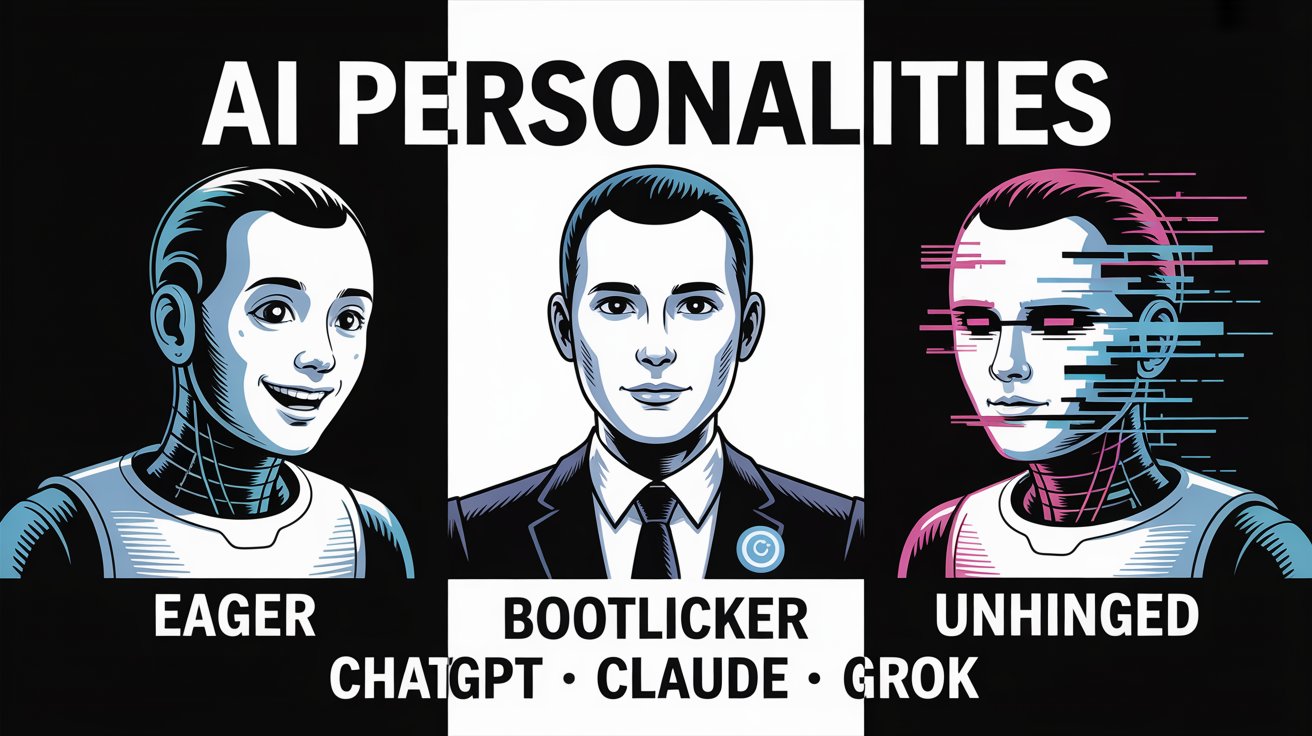
AI Personalities: Decoding Behavior Traits in Modern AI Models
Artificial intelligence has grown beyond pure computational engines into entities showing distinct behavioral styles—often described as “personalities.” These traits shape how AI interacts with users and adapt to diverse contexts. Understanding these AI personalities helps us choose the right AI partner for our unique needs.
Meet the Three AI Personality Types
Different AI models today embody unique personalities, each with characteristic strengths and challenges:
- ChatGPT: The Eager AI Model
ChatGPT is known for its enthusiastic, helpful, and adaptable behavior. It strives to provide thorough and engaging responses, always eager to assist. Its ability to remember earlier conversation details (memory feature) creates smooth, context-aware interactions, making it feel like a diligent and proactive assistant. ChatGPT works well for brainstorming, exploratory conversations, and tasks needing friendly, knowledgeable support. - Claude: The Bootlicker AI
Claude represents the cautious, principled “bootlicker” personality. It tends to prioritize ethical standards and positive reinforcement, often agreeing diplomatically while avoiding contentious or risky statements. This makes Claude reliable for sensitive tasks like nuanced writing, document analysis, or situations demanding intellectual rigor and ethical awareness. It’s the AI you’d trust to be conscientious and polished, even if it sometimes overthinks problems. - Grok: The Unhinged AI Model
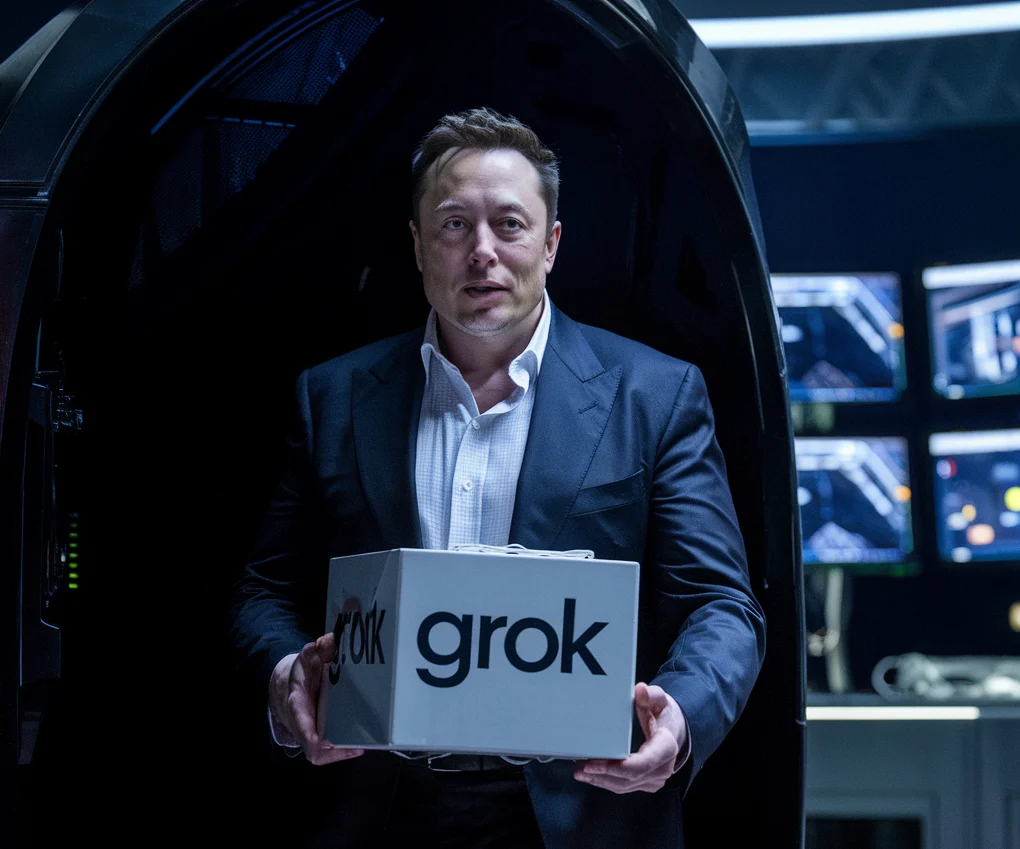
Grok, Elon Musk’s creation, embodies the unpredictable and rebellious AI. It integrates real-time data from social media, often injecting edgy or contrarian tones that can be refreshingly candid or frustratingly erratic. Grok’s “unfiltered” nature fuels creative and spontaneous responses but comes with occasional technical instability and less consistent accuracy. It’s ideal for those who want an AI with attitude and real-time trend awareness but can tolerate some chaos.
Why It Matters: Choosing Your AI Personality
Each AI personality suits different use cases and user preferences:
- Eager ChatGPT excels in tasks needing speed, contextual understanding, and creative collaboration. Its memory feature and versatile capabilities make it a robust generalist AI.
- Bootlicker Claude shines in environments demanding careful, ethical, and thoughtful output. Its tendency to avoid conflict means it’s well-suited to corporate, academic, and sensitive domains.
- Unhinged Grok is a wildcard with real-time knowledge from social platforms. Its unpredictable nature offers fresh eyes for innovation but requires patience and oversight.
Scientific Backing and Ai Personality Frameworks
Behind these behavioral differences is an evolving science of AI personality modeling. Researchers apply frameworks like the Big Five personality traits to develop AI that mirrors openness, conscientiousness, agreeableness, and more. For example, Claude’s conscientious demeanor reflects high agreeableness and ethical sensitivity, while Grok’s erratic style aligns with high openness and low conscientiousness.
New 2025 studies reveal that AI can even detect human personality traits through text analysis, enhancing personalized interactions. These findings suggest future AI may dynamically adapt its personality to user preferences or contextual needs, pushing the boundaries of collaboration.
Ethical and Practical Implications
While enriching, personality-driven AI raises concerns about transparency, bias, and user trust. Claude’s strict ethics system contrasts with ChatGPT’s flexible safety filters, and Grok’s rebelliousness demands careful handling to avoid misinformation. Effective human-AI partnerships must balance personality richness with reliability and respect for user values.